
Loading...
Serving Mililani, HI and surrounding areas. (808) 556-0445
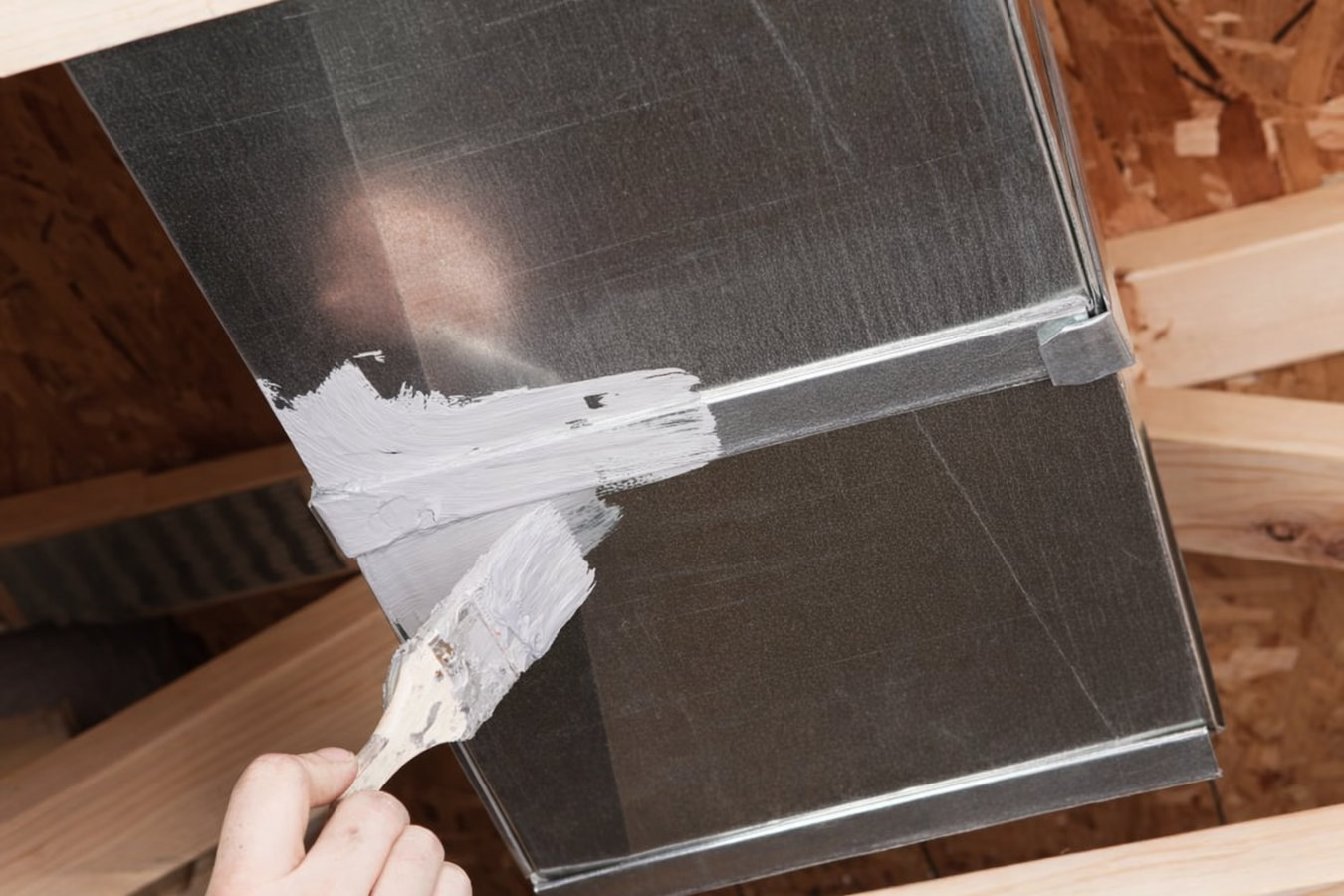
Hidden gaps in older Mililani homes let warm, humid air in around the clock. Air sealing closes those openings so your AC cools your home instead of the neighborhood.
Air sealing in Mililani, HI means finding and closing every gap, crack, and opening in your home's shell - around pipes, wires, attic hatches, light fixtures, and wall joints - most jobs on a single-family home take one to two days. When those openings are sealed, warm humid outdoor air stops flowing freely into your living space, your air conditioning runs less often, and your home stays more comfortable from room to room. Think of it as giving your home a proper sealed envelope instead of a screen door.
Most homes in Mililani were built before modern energy codes required tight construction, so air leaks are common and predictable in this housing stock. The gaps are usually in the same places: around recessed lights, at attic access hatches, and where plumbing and wiring pass through ceilings. Air sealing is especially effective when paired with attic air sealing - together they target the two main paths warm air uses to enter your home year-round.
If your Hawaiian Electric bill keeps climbing and you have not added new appliances or changed how you cool your home, hidden air leaks are a likely culprit. Your AC is working harder than it should because it is fighting a constant flow of warm outdoor air coming in through gaps you cannot see. This is one of the most common complaints from Mililani homeowners in older planned-community homes.
If one bedroom or the back of your house always feels warmer and more humid than the rest of the home, outdoor air is getting in somewhere nearby. In Mililani homes built in the 1970s and 1980s, this often happens in rooms near the attic hatch or along the windward wall. It is not a problem with your AC unit - it is a problem with your home's envelope.
Hold your hand near an electrical outlet or light switch on an exterior wall on a breezy day. If you feel air moving, that is a direct path from outside into your living space. This is a very common finding in Mililani's older homes and one of the easiest things for a contractor to fix once it is identified.
Hawaii's trade winds carry a lot of moisture, and if that air is getting into your walls and attic, it can create a persistent musty smell or a slightly damp feeling in certain rooms. Over time, moisture infiltration can lead to mold growth inside walls where you cannot see it. If you notice this in your Mililani home, air sealing is worth investigating before the problem grows.
We work through your home systematically, starting with the attic and utility spaces where the biggest leaks usually hide. A technician inspects every area where the building's shell is penetrated - around pipes, wires, light fixtures, and framing joints - and applies foam, caulk, or weatherstripping to close each opening found. We use a blower door test before and after the work so you have a measurable before-and-after comparison, not just a contractor's assurance that the job made a difference.
For homes where gaps are concentrated in the attic, we also offer dedicated basement insulation and crawl space sealing as part of a whole-home approach. Before any work is quoted, we confirm that your home's ventilation is adequate - sealing a home tightly without verifying ventilation is a shortcut that can create new problems in Hawaii's humid climate. Every project ends with a walkthrough that covers what was found, what was sealed, and what changed.
For homes where leaks are spread throughout - attic, walls, and utility spaces all addressed in one visit.
Best for homes where the biggest gains are in the ceiling plane - seals the attic floor before or alongside insulation.
Before-and-after measurement that gives you a real number showing how much your home improved - not just a verbal guarantee.
Targeted work around pipes, wiring, light fixtures, and HVAC penetrations that are common leak points in older Mililani homes.
Mililani was developed primarily between the 1970s and 1990s, before modern energy codes required tight construction. That means most homes in the community have predictable air leak patterns - gaps around recessed lights, unsealed attic hatches, and openings where plumbing and wiring pass through ceilings. Add Mililani's roughly 1,000-foot elevation and consistent northeast trade wind exposure, and the windward side of your home is under steady air pressure that pushes through every gap it can find. Homeowners throughout Aiea and nearby communities face the same construction-era challenges and benefit from the same fixes.
Hawaii consistently has some of the highest residential electricity rates in the country. That means the financial payback on air sealing is faster here than almost anywhere else - every bit of cooling your AC does not have to do translates into real savings at Hawaii's rates. Homeowners in Halawa and surrounding central Oahu areas share the same high-cost energy landscape. Federal tax credits and Hawaiian Electric rebate programs may also offset some of the upfront cost - the ENERGY STAR federal tax credit page covers current eligibility details.
We reply within 1 business day. You share the size and age of your home, and what has been bothering you - high bills, hot rooms, or drafts. This helps us arrive prepared with the right equipment.
A technician walks through your home and uses a blower door test to pressurize the space and make hidden leaks much easier to find. This assessment typically takes two to three hours, and you are welcome to follow along.
You receive a written estimate that explains where the leaks are, what we recommend sealing, and the total cost - not just a lump sum. Take time to review it and ask questions before you decide anything.
The crew seals every gap on the list using foam, caulk, or weatherstripping. After the work is done, we run a second blower door test so you can see the before-and-after numbers. We also confirm your ventilation is still working properly before we leave.
Free assessment. Before-and-after measurement. Written quote before any work starts.
(808) 556-0445We use a blower door test before and after the work so you have a measurable result - not just a contractor's word that the job made a difference. That number is yours to keep and protects you if you ever want to verify the improvement.
Mililani receives consistent northeast trade winds, which means the windward side of your home faces more air pressure than the leeward side. We pay extra attention to those areas during the assessment - not just the spots that are easy to reach.
Sealing a home without verifying ventilation is a shortcut that can cause moisture to build up in Hawaii's humid climate. We check that your home's ventilation is adequate before we seal it, and again after - this step is part of the job, not an add-on.
Most straightforward air sealing work does not require a permit in Honolulu County - but if your project involves ventilation modifications, we know and handle the permitting on your behalf. You are never left with unpermitted work that complicates a future home sale.
A properly sealed home feels different almost immediately - rooms are more even, the AC cycles less, and the musty or drafty feeling that older Mililani homes sometimes carry starts to go away. That improvement is measurable, and we make sure you can see it.
Dedicated sealing of the attic floor plane - where the largest air leaks in most older Mililani homes are concentrated.
Learn MoreInsulation for below-grade and slab-on-grade spaces that are often overlooked in a whole-home comfort upgrade.
Learn MoreEvery month you wait is another month of paying Hawaii's electricity rates to cool the gaps - call now and we will respond within 1 business day.