Loading...
Serving Mililani, HI and surrounding areas. (808) 556-0445
Supreme Mililani Insulation serves Pearl City with blown-in insulation, spray foam, attic insulation, and air sealing for homes built in the 1950s through 1980s - call for a free estimate with a 1-business-day response.
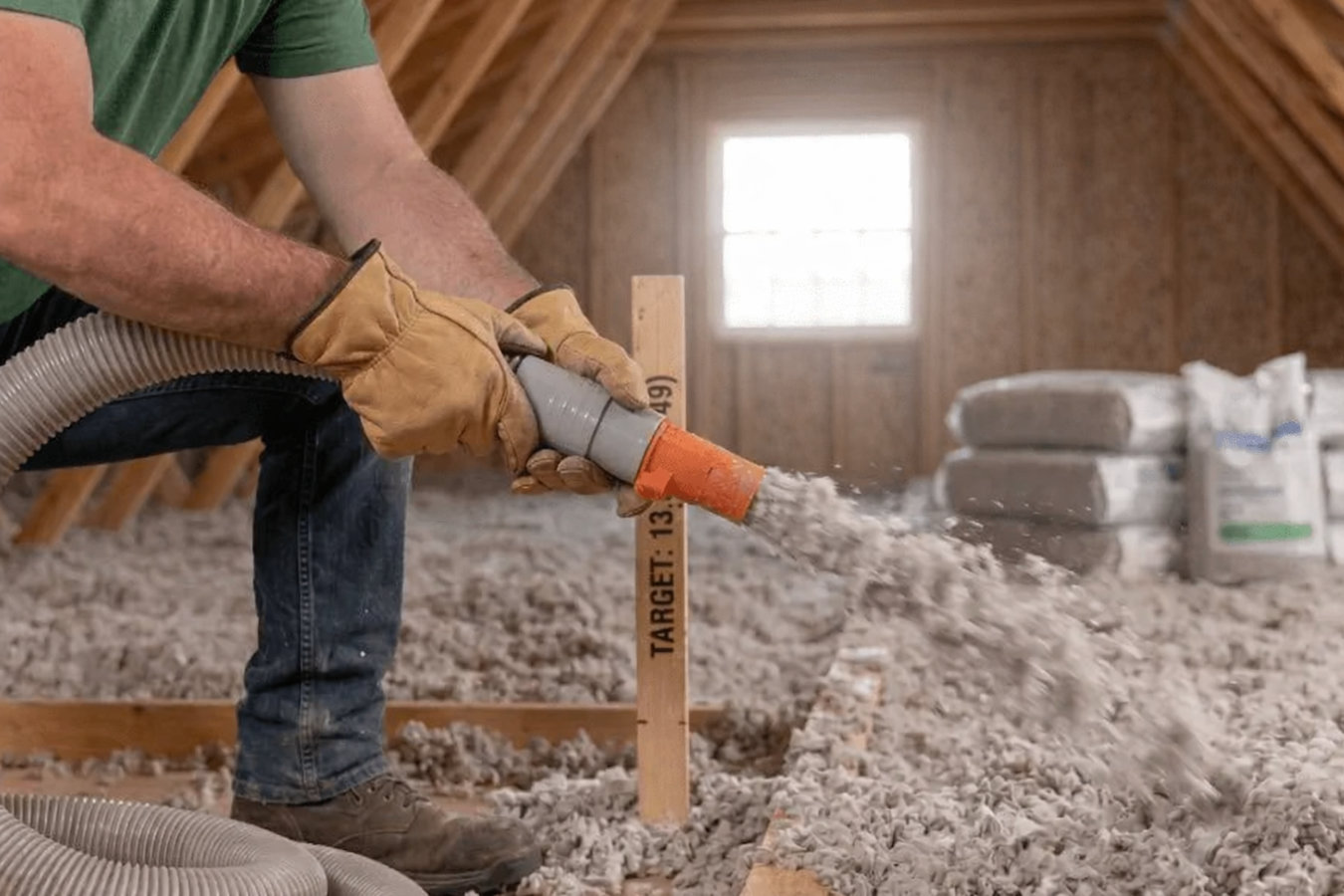
Most Pearl City homes from the 1950s through the 1980s have attics with inadequate coverage - adding blown-in insulation over the existing material is usually the fastest and least disruptive way to bring them up to current standards without demolition.
Pearl City attics are among the most common places we find degraded or missing insulation. Decades of humidity, salt air, and heat cycling break down older fiberglass batts, and many homes from the 1950s through 1970s were built with little attic coverage to begin with. Upgrading here has the biggest impact on comfort and energy cost.
Concrete block construction is common in older Pearl City homes, and spray foam applied to interior framing and rim joists seals the gaps that CMU block alone does not address. It also performs well in Pearl City crawl spaces where moisture management is the priority alongside thermal control.
Pearl City homes sit close to Pearl Harbor, where trade winds carry salt-laden, humid air year-round. Air sealing at outlets, attic penetrations, and framing gaps keeps that outdoor air out and conditioned air in - it is one of the most cost-effective upgrades in this climate.
Some Pearl City homes have insulation that has been soaked by roof leaks, compromised by rodents, or compressed over decades until it provides almost no thermal value. Removing it before adding new material is the only way to start fresh and get the R-value you are paying for.
Hillside properties in Pearl City above the harbor can collect moisture under the structure from ground-contact soil. A properly installed vapor barrier in the crawl space or under a slab stops that moisture before it works its way into floor systems and the interior.
Pearl City grew rapidly after World War II, and most of its housing stock dates from between 1950 and 1985. Those decades of Hawaii construction predate modern energy codes and the insulation standards that followed. The combination of postwar construction methods, Hawaii's heat and humidity, and the salt air drifting off Pearl Harbor creates a specific set of problems that a mainland contractor will not immediately recognize. Salt air corrodes metal roof components and flashing over time, creating small entry points for moisture that eventually soaks attic insulation and eliminates its thermal value. A contractor who has not worked near the water in Hawaii will miss those connections.
The mix of concrete masonry unit block construction and wood frame homes in Pearl City means no single insulation approach works for every property. CMU block walls hold heat and require a different treatment than wood stud walls. The area also has a meaningful number of townhomes and condominiums where HOA rules may limit exterior work, making interior insulation upgrades the only practical option. Understanding which type of structure you are working on - and what the homeowners association allows - is baseline knowledge for doing this work correctly in Pearl City.
Our crew works throughout Pearl City regularly, and we understand the local conditions that affect insulation work here. We pull permits through the City and County of Honolulu Department of Planning and Permitting, which handles all building and trade work in Pearl City since the area is an unincorporated community without its own permitting office. When a job requires a permit, we handle the application and inspection scheduling so the homeowner does not have to navigate that process alone.
The neighborhoods closest to Pearl Harbor and Pearlridge Center tend to have the oldest housing stock, and we see the most moisture-damaged attic insulation in those areas. Properties on the hillside above the flat valley floor - closer to the Aiea Ridge - are slightly elevated and may get more wind exposure, which affects how we seal around penetrations and attic vents. Pearl City sits right on the H-1 corridor, which means we can reach the area quickly from our Mililani base without adding travel time to your estimate.
We also serve the communities directly neighboring Pearl City. To the east, Waimalu shares much of Pearl City's postwar housing character and faces the same insulation challenges. To the north, Aiea is another area where we work regularly. Call us and we can be on-site for a free assessment within a day or two.
We reply within 1 business day. You share a few details about your home - age, type, and the main concern driving your call. No commitment required at this stage.
A technician visits your Pearl City home, inspects the attic, walls, or crawl space, and identifies what the insulation is doing and where it is failing. The visit typically takes 30 to 60 minutes and we explain our findings in plain language - including anything we find that looks like a moisture or pest issue you should know about.
You get an itemized written quote before work starts. If the job requires a permit through the Honolulu Department of Planning and Permitting, we include those costs and handle the application. We answer cost questions directly and do not dodge them.
The crew completes the work, removes all job waste from your property, and walks you through the finished installation before leaving. For blown-in jobs, there is no waiting period before re-entering the area. Spray foam jobs require a 24-hour cure window, which we confirm with you before the crew departs.
We serve all of Pearl City, from the flatlands near Pearlridge Center to the hillside neighborhoods above. Free estimates, written quotes, and 1-business-day responses.
(808) 556-0445Pearl City building permits are handled by the City and County of Honolulu Department of Planning and Permitting. We manage permit applications on your behalf when the scope requires one.
Pearl City is one of the largest and most densely populated communities on Oahu, sitting along the northern shore of Pearl Harbor with roughly 47,000 residents. It is an unincorporated community within the City and County of Honolulu, which means there is no separate city government - residents interact directly with Honolulu County for permits, services, and code enforcement. The community grew rapidly in the postwar decades, and most of the residential areas were developed between the 1950s and 1980s. The property mix includes single-family homes on compact lots, townhome complexes, and low-rise condominiums - a broader range of residential types than you find in a planned community like Mililani. Pearlridge Center, one of the largest shopping malls in Hawaii, has anchored the community since the 1970s.
Pearl City is well-connected by the H-1 freeway and sits directly adjacent to Joint Base Pearl Harbor-Hickam, meaning a significant share of the population is active-duty military, veterans, or military families. Homes here change hands somewhat more frequently than in other Oahu communities because of military rotation schedules, which means new homeowners often discover deferred maintenance on insulation and other building systems when they move in. The neighboring communities of Waimalu and Aiea share the same postwar housing character and are also part of our service area. More background on the community is available through the Pearl City Wikipedia article.
Creates an airtight seal that improves energy efficiency throughout your home.
Learn MoreSafe removal of old or damaged insulation to prepare for fresh installation.
Learn MoreProtects your foundation and floors from moisture and temperature swings.
Learn MoreHigh-density foam delivering superior insulation and moisture resistance.
Learn MoreControls moisture movement to protect your structure and indoor air quality.
Learn MoreUpgrades existing homes with modern insulation without major renovations.
Learn MorePearl City homes take a beating from salt air and humidity year-round - the right insulation upgrade pays for itself faster than you expect.