
Loading...
Serving Mililani, HI and surrounding areas. (808) 556-0445
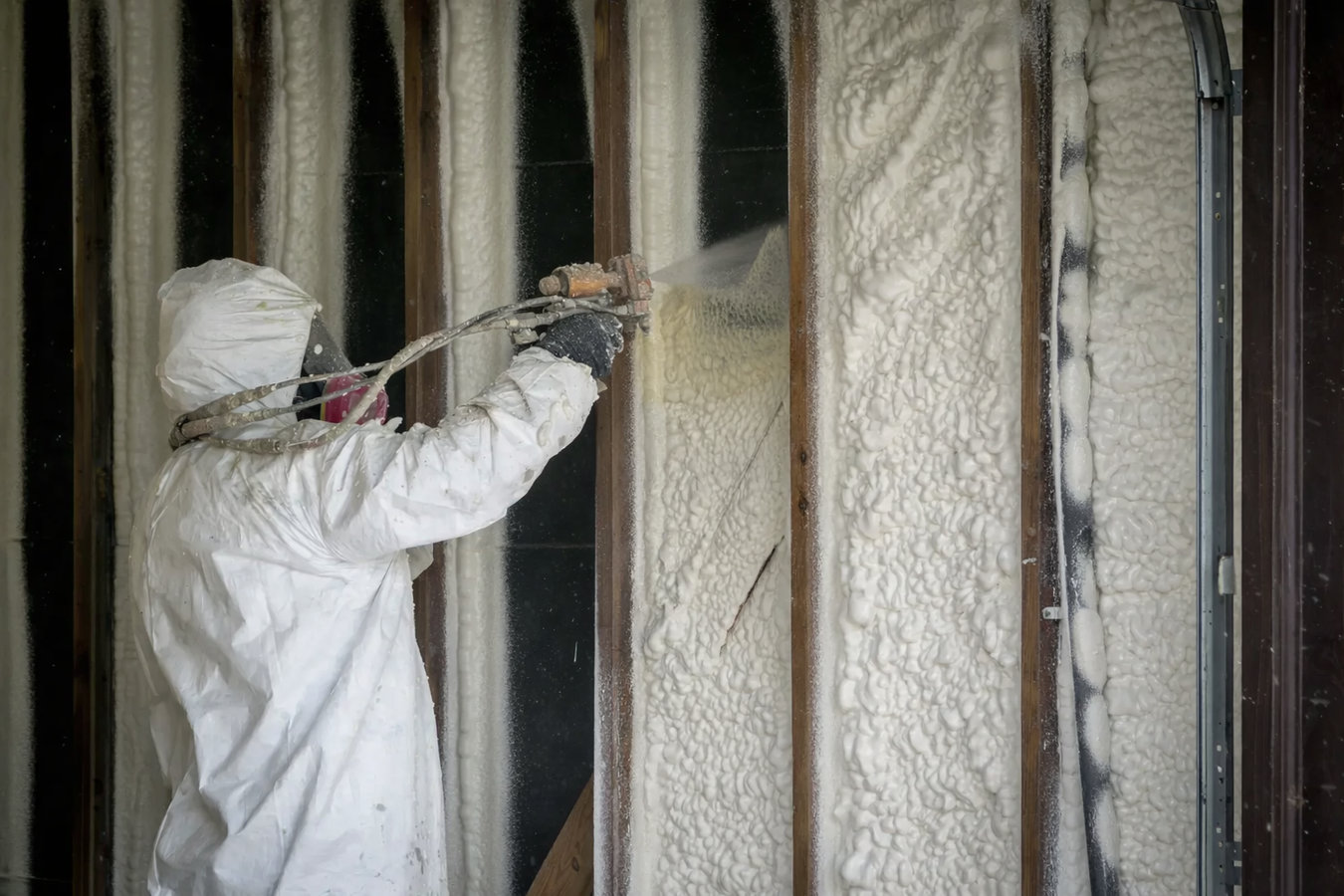
Most Mililani homes were built with little or no attic insulation. Spray foam seals every gap and crack so your AC keeps up without running all day.
Spray foam insulation in Mililani, HI fills every gap, crack, and irregular space in your attic or walls with a sealed foam layer - most jobs on a typical single-family home are completed in one to two days. Unlike fiberglass batts that leave gaps around pipes and wiring, spray foam bonds directly to surfaces and creates an airtight seal. In Mililani, where homes often sit at elevation with persistent humidity, that matters year-round - not just on the hottest days.
Many homes in central Oahu were built during an era when Hawaii builders installed minimal insulation or none at all. If your home is from the 1970s or 1980s and has never been updated, hot attic air is likely radiating into your living space every afternoon. Spray foam is one of the most effective retrofit options available - and it works well alongside attic insulation upgrades for complete coverage.
If your air conditioning runs constantly but certain rooms still feel stuffy in the afternoon, hot air is getting in faster than your system pushes it out. In Mililani, where attics can reach extreme temperatures on sunny days, this is one of the most common complaints in homes from the 1970s and 1980s. Waiting makes the problem and the energy bill worse.
Hawaii has some of the highest electricity rates in the country. If your bill keeps rising without a change in your habits, air leaking through gaps and uninsulated spaces is a likely cause. Even small improvements in how well your home holds conditioned air show up clearly on your monthly statement.
Hold your hand near an electrical outlet on an exterior wall on a warm afternoon. If you feel warmth or a slight draft, air is moving through gaps in your wall. The same test works around attic access hatches and recessed light fixtures. These small gaps add up to a surprising amount of air exchange over a day.
Mililani's year-round humidity means any unsealed space can accumulate moisture over time. If you see water stains on attic wood, feel dampness, or notice a musty smell, your current setup is not managing moisture well. Spray foam installed correctly for Hawaii's climate helps seal out humid outdoor air and reduce the conditions that lead to buildup.
We install both open-cell and closed-cell foam insulation depending on what your home needs. Open-cell foam is softer and more flexible - it allows some moisture vapor to pass through, which can be an advantage in Hawaii when paired with the right ventilation plan. Closed-cell foam is denser, creates a stronger moisture barrier, and adds a small amount of structural rigidity to walls and roof decks. Each project starts with an honest assessment of your home's conditions before we recommend a foam type.
We work on attics, crawl spaces, walls, and rooflines - any area where hot air is moving in or conditioned air is escaping. For homes with existing insulation that has degraded, we assess whether the old material needs to come out first or whether new foam can be applied over it. Every job ends with a walkthrough so you can see the finished work and ask questions before we leave.
Best for interior walls and attics where some vapor permeability is beneficial in Hawaii's humid climate.
Ideal for rooflines, crawl spaces, and exterior walls where a strong moisture barrier and higher R-value are priorities.
Applied to attic floor joists or roof deck to stop heat from radiating into your living space year-round.
Added to existing homes without tearing out walls - drilled through small access holes and applied in place.
Mililani sits at roughly 1,000 feet elevation on central Oahu, which gives it a slightly cooler but persistently humid climate compared to coastal Honolulu. That combination of warmth and moisture year-round means any gap or unsealed space in your home is an opening for heat and humidity to creep in. Most homes here were built during an era when Hawaii builders installed minimal insulation - spray foam is often the most practical way to close that gap without major structural work. Homeowners in Mililani Mauka face even more rainfall and moisture pressure given the higher elevation.
Mililani falls under the City and County of Honolulu for building permits, and insulation work that is part of a larger renovation may require a permit before work begins. We handle permit applications on your behalf when required, so the work is on record if you ever sell the home. Homeowners throughout Pearl City and the surrounding central Oahu communities face the same construction-era challenges and benefit from the same solutions.
For general information on spray foam safety and regulations, see the U.S. Environmental Protection Agency guidance on spray polyurethane foam.
We respond within 1 business day. You share basic details about your home and what areas need attention. No commitment required at this stage.
A technician visits your home, inspects the attic or walls, and identifies where foam will have the most impact. This visit typically takes 30 to 60 minutes.
You receive an itemized written quote before any work starts. If a permit is needed through the City and County of Honolulu, we handle the application on your behalf.
The crew applies foam, trims any excess, and clears work areas. You and your family need to stay out for at least 24 hours while the foam cures. We give you a clear all-clear time before we leave.
We respond within 1 business day. Getting a quote is free and comes with no obligation. After you submit the form, someone from our office will call to schedule a free on-site estimate at your convenience.
(808) 556-0445Every project starts with a free written estimate and ends with clear documentation of what we installed. We never ask you to skip permits to save time - that creates problems when you sell the home down the road.
We have spent years working on homes built during Mililani's original planned development phases. We know how these homes were constructed and what the common insulation gaps look like from house to house. That local knowledge means fewer surprises mid-job. For authoritative guidance on insulation standards, see the{' '} U.S. Department of Energy insulation resources.
You receive an itemized written price before any work begins, including permit fees if they apply. If something unexpected comes up during the job, we discuss it with you before doing anything that changes the cost. No surprises on your final bill.
We select the right foam type for your home's specific ventilation setup and the Mililani climate - not just whatever is easiest to install. Choosing the wrong foam in Hawaii can trap moisture and create mold conditions inside walls. We explain our reasoning before we start.
Every one of these points comes down to the same thing: you should feel confident that the work was done right, not just hopeful. We walk you through the finished job before we leave and make sure you have what you need - including documentation for any tax credits or permit sign-offs.
Learn more about energy-efficient insulation standards from the U.S. Department of Energy Insulation Guide.
Add or replace attic insulation to reduce heat transfer from your roof into your living space - pairs well with spray foam for complete coverage.
Learn MoreA denser foam option that provides a stronger moisture barrier and higher R-value per inch - ideal for rooflines and exterior walls in humid climates.
Learn MoreSpots fill up fast - call now or submit a request and we will get back to you within 1 business day.