
Loading...
Serving Mililani, HI and surrounding areas. (808) 556-0445
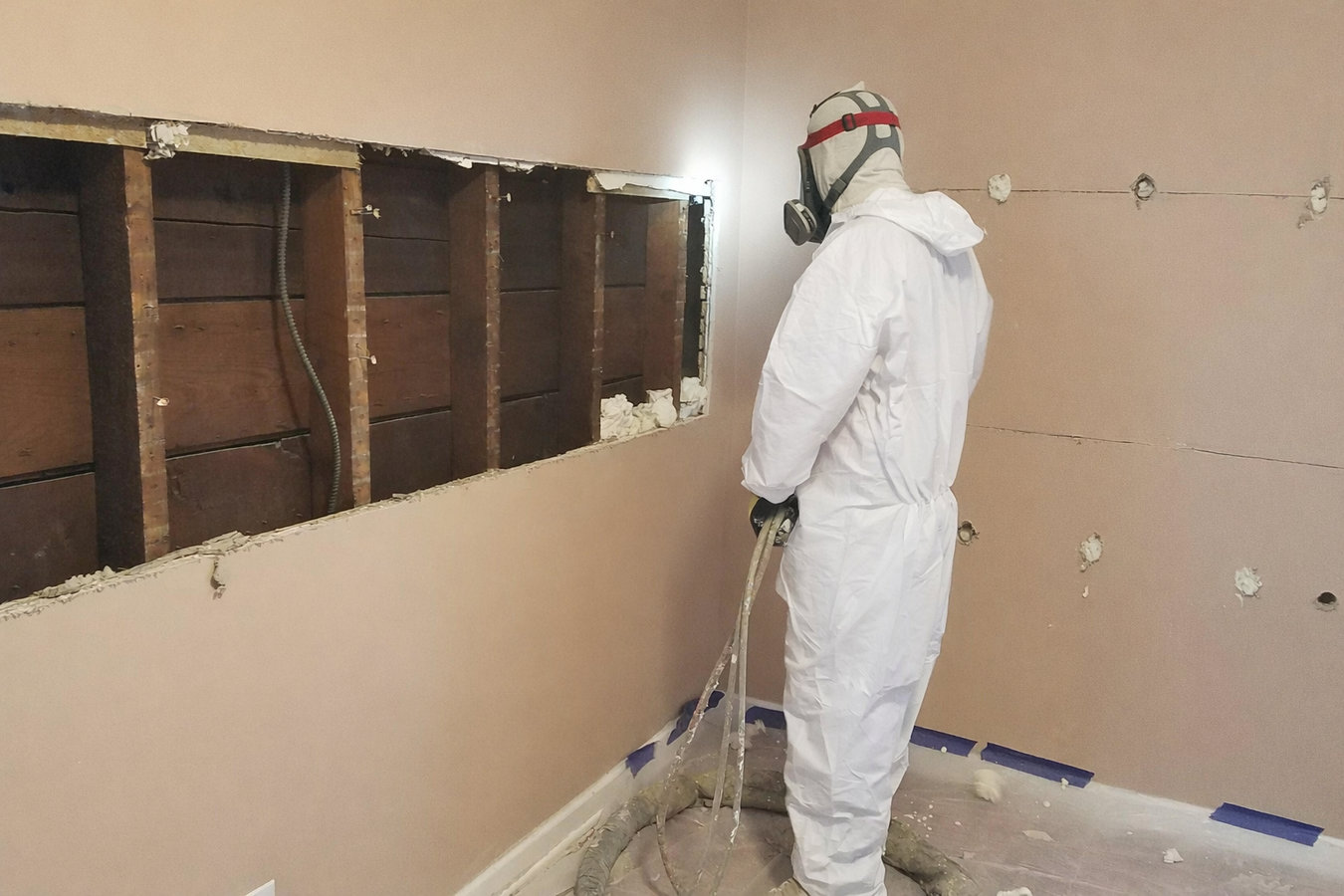
Mililani homes built in the 1970s and 1980s often have insulation that has settled, thinned, or worn out. Adding new material is a one-day job that makes a noticeable difference on your Hawaiian Electric bill.
Retrofit insulation in Mililani, HI adds new insulation material to a home that is already built - filling thin spots, replacing worn-out material, or adding a second layer where depth is insufficient - most attic jobs on a standard single-family home are completed in a single day without a major renovation. A contractor works with your existing structure, pumping blown-in material through a hose or applying spray foam to reach areas that would be difficult to access otherwise. In Mililani, where air conditioning runs year-round and Hawaiian Electric rates rank among the highest in the country, getting your attic to the right insulation depth is one of the most direct ways to reduce your monthly cooling costs.
Most homes in this area were built in the 1970s through early 1990s, when insulation standards were a fraction of what is recommended today. On top of that, insulation materials settle and compress over decades, losing effectiveness even if they were adequate when installed. If your home has never had insulation work done since it was built, there is a strong chance your attic is underperforming. Retrofit insulation pairs well with home insulation planning that looks at your whole building envelope rather than just the attic.
In Mililani, the afternoon sun hits rooftops hard even at elevation. If your attic has little or worn-out insulation, that heat radiates straight down into your living space. If certain rooms are consistently uncomfortable between noon and early evening - even with the AC running - that is a strong sign your attic is not doing its job. This is one of the most common complaints from homeowners in Mililani's older neighborhoods.
Hawaiian Electric rates are among the highest in the country, so a home losing conditioned air through a poorly insulated attic shows up quickly on your monthly bill. If your usage has crept up over the past year or two without a clear cause, it is worth having someone look at your insulation. A small investment in new material can pay for itself in reduced electricity costs over just a few years at Hawaii's rates.
If you feel a faint draft near the ceiling or can see light coming through gaps around your attic access panel, air is moving freely between your living space and your attic. That means your AC is cooling air that is constantly being replaced by warm attic air. This is fixable with a combination of sealing and new insulation added on top.
Mililani's humidity means that attics without proper insulation and ventilation can develop moisture problems over time. If you have peeked into your attic and noticed dark staining on wood, a musty smell, or what looks like condensation on surfaces, that is a sign moisture is getting trapped - and your existing insulation may be compromised and need to come out before new material goes in.
We install blown-in loose-fill and spray foam insulation in attics, walls, and crawl space floors - whatever your home needs and wherever the gaps are. For attic work, we first seal any gaps around light fixtures, pipes, and vents before adding material, because layering insulation over unsealed penetrations reduces the benefit. Once sealing is done, we pump material in evenly to the correct depth for Hawaii's climate, covering the full attic floor with no thin patches near the edges. Every job includes a walkthrough of the finished attic - or photos where access is limited - so you can see the even coverage for yourself. We also handle spray foam insulation for areas where a blown-in approach does not work, such as rim joists, irregular cavities, or encapsulated spaces.
If your existing insulation is damaged, contaminated, or water-logged, we remove it before the new material goes in. We provide written documentation of material type and depth installed, which you will need for any Hawaiian Electric rebate application or IRS energy efficiency tax credit claim. We respond to every inquiry within 1 business day and can typically schedule an assessment visit within a week or two.
The most common retrofit approach for Mililani attics - blown-in cellulose or fiberglass pumped to the correct depth, covering the full floor evenly.
Applied as a liquid that expands and hardens, ideal for rim joists, knee walls, and any area where blown-in material would not stay in place.
For attics where the existing material is damaged, settled below useful depth, or contaminated - we remove it first so the new layer starts clean.
Blown-in material pumped into closed wall cavities through small access points - no drywall tear-out required in most cases.
Mililani sits on the central Oahu plateau at roughly 1,000 feet above sea level, which means homes here are exposed to persistent trade winds that push air through any gap in the building envelope. That same elevation brings more rainfall and cloud cover than the coast, keeping humidity levels consistently high year-round. Moisture is the enemy of most insulation materials - it reduces their effectiveness and can lead to mold if it gets trapped inside an attic or wall cavity. A contractor working in Mililani needs to assess your attic's ventilation before adding material, because piling insulation on top of a poorly ventilated space can make moisture problems worse. Homeowners in Wahiawa and Mililani Mauka face these same conditions in homes built during the same era.
Mililani was developed primarily in the 1970s through the 1990s as a master-planned community, and most homes share similar construction styles - single-story or two-story wood-frame homes with relatively shallow attic spaces. Shallow attics can limit how much blown-in material can be safely added and require more care to ensure vents are not blocked. Mililani also falls within the Mililani Town Association, and while insulation is interior work, any exterior changes connected to a project - such as adding attic vents - may warrant a quick check with the HOA before scheduling. The U.S. Department of Energy insulation guidelines and Hawaiian Electric rebate program are both worth reviewing before you schedule work.
We respond within 1 business day. You share basic information - your home's age, whether you have had insulation work done before, and what has been prompting your concern. This helps us come prepared with the right equipment and realistic expectations before the site visit.
We inspect your attic - and your walls or crawl space floor if relevant - to measure what material is already there and identify any gaps, damage, or ventilation issues. The visit typically takes 30 to 45 minutes and results in a written estimate that explains exactly what we are recommending and why. If old material needs to come out first, we include that in the quote.
The crew sets up a blowing machine, seals off the attic access to contain dust, and seals any ceiling penetrations before adding new material. They pump insulation evenly across the full attic floor, working to the correct depth for Hawaii's climate. Most Mililani homes are done in four to eight hours. You can stay home throughout - work is confined to the attic.
When the work is done, we walk you through the finished attic or show you photos so you can see the even coverage yourself. You receive written documentation of what was installed - material type, depth, and coverage area - which you need for any Hawaiian Electric rebate application or federal tax credit claim. Rebate paperwork is straightforward when you have the right documentation from the start.
Written quote, no obligation. We assess your attic, tell you exactly what we find, and let you decide. We respond within 1 business day.
(808) 556-0445Every job we complete is performed by an experienced local crew that works on Oahu homes week in and week out. Hawaii's contractor pool is smaller than the mainland and quality varies widely - a seasoned crew with a real track record here is your first line of protection against work that fails early.
In Mililani's humid climate, adding insulation to a poorly ventilated attic can trap moisture and cause more damage than it prevents. We assess your attic's airflow before any material goes in. If ventilation needs to be improved, we tell you before starting the job - not after. This is the kind of local climate knowledge that distinguishes contractors with genuine Hawaii experience.
Hawaiian Electric offers rebates for qualifying insulation upgrades, and many Mililani homeowners are eligible but miss out because their contractor did not provide the right paperwork. We supply the material type, depth, and coverage documentation you need to apply. Combined with the available federal tax credit, you may be able to recover a meaningful portion of your project cost.
Mililani's planned community housing stock includes many homes with shallow, low-pitched attics that limit how much material can be safely added and require care around ventilation pathways. We work in these homes regularly and come prepared for what we are likely to find - no surprises on installation day and no excuses after it is done.
We are an experienced local insulation contractor based in Mililani - familiar with the housing stock, the climate, and the rebate programs available to homeowners here. That combination means less guesswork and a better result for your home.
Expands into irregular cavities and provides both insulation and air sealing in one application - the right choice where blown-in material cannot reach.
Learn MoreA whole-home approach that looks at attic, walls, floors, and crawl space together to find where insulation improvements will have the most impact.
Learn MoreHawaiian Electric rates make every month of underperforming insulation expensive. A one-day job can change how your home feels and what you pay to cool it - call now to get your written estimate within 1 business day.