
Loading...
Serving Mililani, HI and surrounding areas. (808) 556-0445
Supreme Mililani Insulation serves Halawa with air sealing, attic insulation, and vapor barriers for postwar concrete block homes - we reply within 1 business day and provide free on-site estimates for every Halawa home we visit.
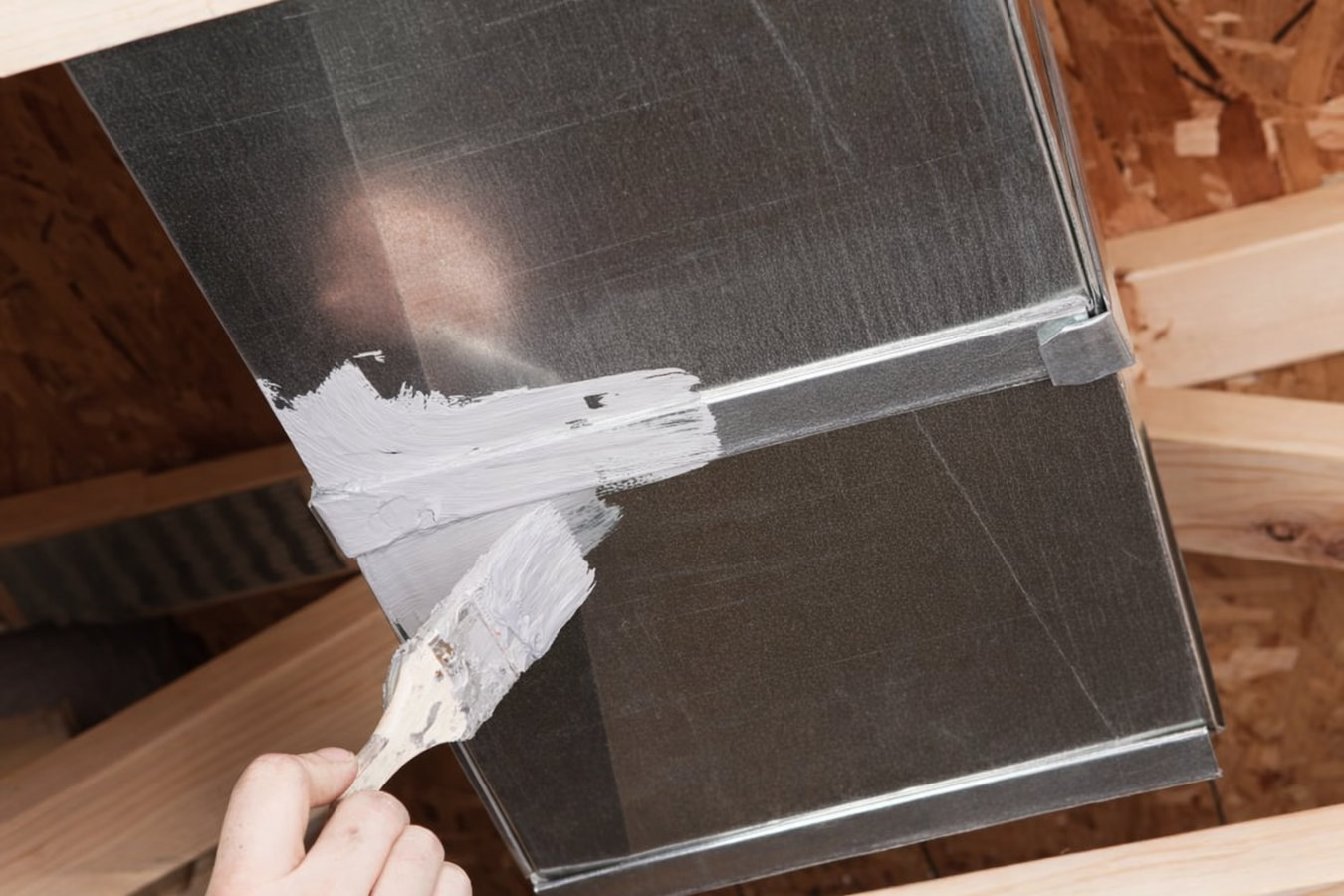
Halawa homes built in the 1950s through 1970s were constructed with no attention to air barriers - every gap around wiring, plumbing, and ductwork in the attic floor is a direct pathway for hot attic air to enter living spaces. Our air sealing services close those pathways with spray foam and mastic before any new insulation is installed, so the upgrade actually performs as intended in Halawa's year-round heat.
Many Halawa attics still contain the original fiberglass batt or loose-fill material installed when the home was built - material that has compressed, shifted, or been soaked by roof leaks over the decades. Adding properly specified attic insulation above sealed penetrations brings Halawa homes up to current Hawaii Energy Code requirements and makes a real difference in day-to-day cooling costs.
Blown-in cellulose or fiberglass is the most efficient way to fill an irregularly shaped Halawa attic, including around trusses, HVAC equipment, and low-clearance areas at the eaves. For homes where the existing insulation base is sound but thin, a blown-in top-up can be completed in a single day without disturbing the rest of the home.
Halawa homes with slab foundations adjacent to older concrete walls can develop moisture infiltration where the slab meets grade, especially after the heavy rain events that are common during Oahu's winter months. Vapor barriers installed at the right location in the assembly stop that moisture from migrating into wall cavities and floor assemblies where it causes long-term damage.
Concrete masonry unit walls in older Halawa homes have low inherent thermal resistance, and many were built with no insulation in the wall cavity at all. Injection foam retrofit fills those empty cavities through small drilled holes, improving wall performance without opening the walls or displacing residents - the right approach for owner-occupied homes near Aloha Stadium.
Termite damage and roof leaks are both common in Halawa's older housing stock, and when insulation has been contaminated by either, full removal is the only responsible path before reinstalling new material. We vacuum out the attic, inspect the framing and sheathing below, and give the assembly a clean start.
The majority of Halawa homes were built between the 1950s and the 1970s, when residential construction on Oahu was expanding rapidly to house workers and military families connected to the Pearl Harbor complex nearby. Concrete masonry unit construction was the dominant building method of that era in Hawaii - block walls, flat or low-slope roofs, and minimal mechanical ventilation. Those buildings were not designed for energy efficiency, and the original insulation in these homes, if any was installed at all, has been in place for 50 to 70 years. After that many years in Hawaii's heat and humidity, original insulation material has compressed to a fraction of its rated R-value, and the air sealing layer that should accompany it was almost never part of the original build. The result is that Halawa homes run warmer than they should, and cooling systems work harder than they need to.
Halawa's location just off the H-1 freeway places it in the leeward central part of Oahu, where year-round heat is combined with consistent trade wind exposure. Flat and low-slope roofs common in this neighborhood absorb significant radiant heat, and without adequate attic insulation and a sealed attic floor, that heat transfers directly into the living space below. The proximity to Pearl Harbor also means some homes in the area see additional salt air exposure from the harbor winds, which accelerates corrosion on metal roof fasteners, gutters, and any exposed metal in the attic assembly. Termites are an acknowledged challenge across all of Oahu, and Halawa's older housing stock is particularly at risk - the University of Hawaii College of Tropical Agriculture notes that Hawaii has some of the highest termite pressure in the country, which affects wood framing and roof trusses in homes of this age.
Our crew works throughout Halawa regularly, and we understand the local conditions that affect insulation work here. The postwar concrete block homes that make up most of the Halawa housing stock require a different inspection and specification process than newer wood-frame homes. Block walls require different anchoring methods, different vapor management strategies, and different expectations about where the biggest performance gains are available. Permits for work requiring them in Halawa are filed with the City and County of Honolulu Department of Planning and Permitting, which handles all trade permits for Honolulu County including Halawa.
Halawa is anchored by Aloha Stadium, one of the most recognized landmarks on Oahu, and the neighborhood sits just west of the Pearl Harbor National Memorial along Kamehameha Highway. The H-1 freeway provides direct access to Halawa from both Honolulu and the central Oahu corridor, which means we can reach jobs here quickly from our Mililani base. Many homeowners in Halawa have been in their homes for years and are making long-overdue upgrades to systems that have never been serviced since the home was built.
We regularly serve Waipahu, located just west of Halawa along the H-1 corridor, where the housing stock shares many of the same postwar characteristics and insulation needs. We also work frequently in Aiea, which sits directly above Halawa on the slopes toward Pearl City and has a similar mix of mid-century construction.
We reply within 1 business day. Tell us what you are dealing with - rooms that stay hot despite AC, musty smells from the attic, moisture under the floor, or energy bills that seem high for the size of your home. That context shapes what we focus on during the assessment.
A technician visits your Halawa home, inspects the attic and any problem areas, checks for air leakage points and moisture intrusion, and measures existing insulation depth and condition. This takes 30 to 60 minutes and ends with a plain-language explanation of findings - no cost, no pressure.
Most Halawa jobs run one to two days. We seal attic penetrations first, then install new insulation over the sealed floor. The homeowner does not need to leave the home during the work, and we clean up fully before we leave.
Before we leave, we walk through what was done and what to expect - including how long it typically takes to notice a difference in room temperatures and energy bills. We are available for any follow-up questions after the job is complete.
We serve all of Halawa and surrounding central Oahu communities. Free estimates, no pressure, and a reply within 1 business day.
(808) 556-0445Halawa is a census-designated place in the Ewa District of central Oahu, home to roughly 14,000 to 15,000 residents. It sits at the base of the Pearl Harbor basin, just off the H-1 freeway between Aiea and Waipahu. The neighborhood is almost entirely residential, with compact single-family homes built mostly between the 1950s and 1970s to accommodate the postwar population growth that came with expanded military and civilian employment at Pearl Harbor. Concrete block construction is common throughout the area, and many homes retain their original single-story layout on modest lots with mature landscaping. Aloha Stadium, one of the most recognized venues on Oahu, sits squarely in the Halawa CDP and has anchored the community for decades - from NFL Pro Bowls to University of Hawaii football and the long-running Aloha Stadium Swap Meet.
The Pearl Harbor National Memorial, including the USS Arizona Memorial, sits just south of Halawa along the waterfront. Kamehameha Highway runs through the community, connecting it to Pearl City to the north and Waipahu to the west. Residents here are a mix of long-term local families and military households connected to the Joint Base Pearl Harbor-Hickam complex nearby. Neighboring Pearl City sits just to the north and shares Halawa's mid-century housing profile, while Waimalu is the community immediately upslope, tucked between Halawa and Aiea along the Pearl Harbor ridge.
Creates an airtight seal that improves energy efficiency throughout your home.
Learn MoreSafe removal of old or damaged insulation to prepare for fresh installation.
Learn MoreProtects your foundation and floors from moisture and temperature swings.
Learn MoreHigh-density foam delivering superior insulation and moisture resistance.
Learn MoreControls moisture movement to protect your structure and indoor air quality.
Learn MoreUpgrades existing homes with modern insulation without major renovations.
Learn MoreFrom homes near Aloha Stadium to streets along Kamehameha Highway - get a free estimate and a reply within 1 business day.