
Loading...
Serving Mililani, HI and surrounding areas. (808) 556-0445
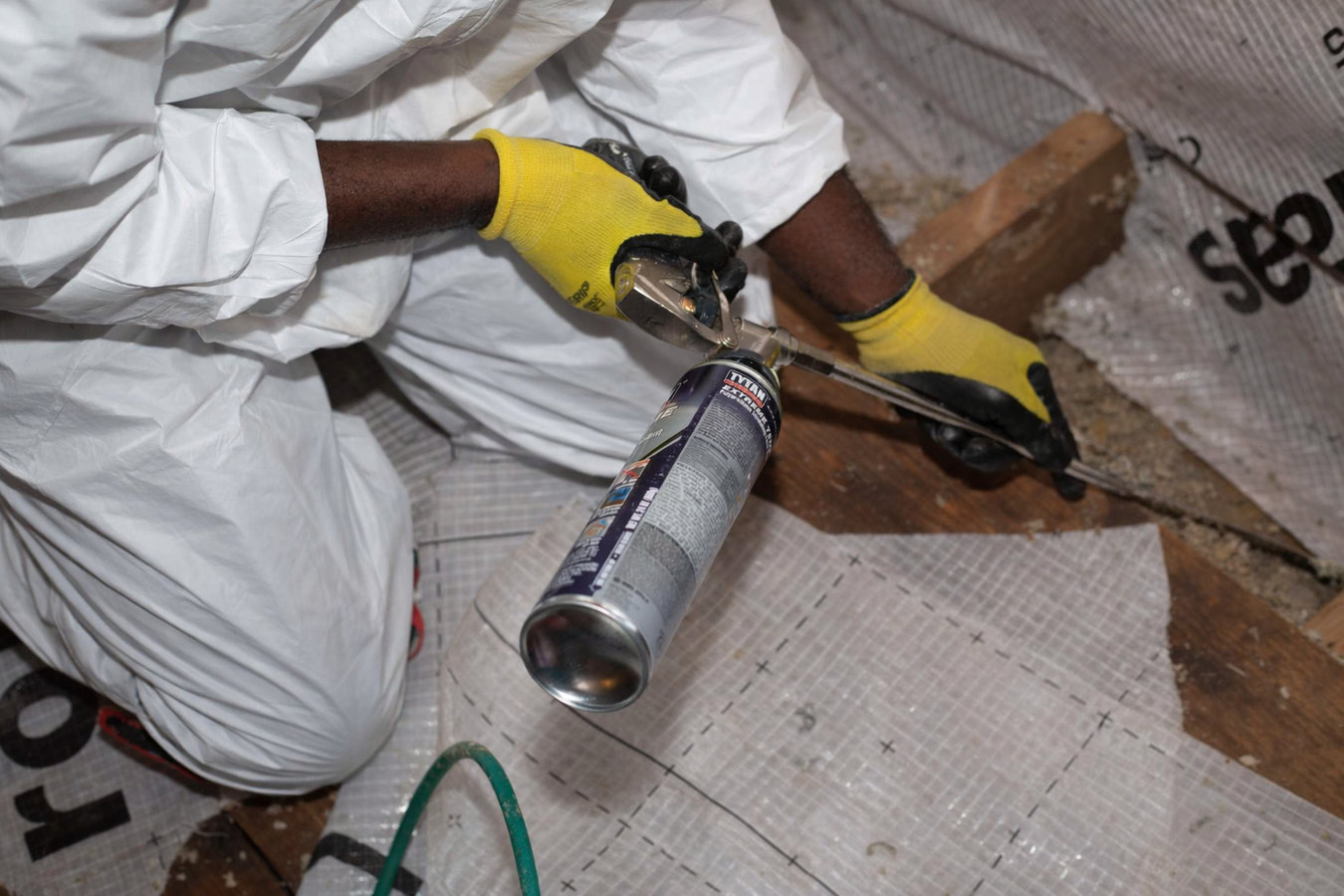
If your AC runs all day but your home still feels warm, cool air is likely leaking through gaps in your ceiling into the attic above. Sealing those gaps is the fix your cooling system has been waiting for.
Attic air sealing in Mililani, HI closes every gap and opening in the ceiling above your living space so conditioned air stays inside and hot, humid attic air cannot push back in - most single-family homes are completed in one full day. A contractor uses foam, caulk, or specialized tape around light fixtures, plumbing pipes, wiring runs, and the attic hatch. In Mililani, where air conditioning runs year-round, those gaps are working against your cooling system every hour of every day.
Insulation alone does not solve this problem. Insulation slows heat moving through solid surfaces, but it does almost nothing to stop air flowing through gaps. Think of it as putting a thick blanket over a window you left open a crack - the blanket is not doing much. Sealing comes first, then insulation layers on top of that sealed foundation. If your home was built in the 1970s or 1980s, which describes most of Mililani's housing stock, it was likely never sealed at all. Pairing this work with air sealing services across the whole building envelope gives you the most complete result.
If your air conditioning seems to run all day without ever getting the house to a comfortable temperature, cool air escaping through attic gaps is a likely cause. In Mililani, where cooling systems run year-round, this is one of the most common complaints homeowners report before discovering their attic is unsealed. The cool air your system produces is simply leaving faster than it can be replaced.
Recessed lights and ceiling fans are among the most common places where attic air enters living spaces. If you see a dust ring around a ceiling fixture or notice a faint musty smell near the ceiling, air is moving through those gaps from the attic above. In Mililani's humid climate, that air often carries moisture and particles from the insulation overhead.
Heat and humidity from an unsealed attic push down into the rooms directly below. If one part of your home consistently feels stuffy or harder to cool than the rest, the attic above that area may be the source. This is especially common in Mililani homes built in the 1970s and 1980s, where ceiling penetrations were rarely sealed during original construction.
The attic access panel is one of the most overlooked air leaks in any home. If you stand under your attic hatch and feel a slight draft, or if you can see light coming through the edges when the hatch is closed, you have a significant gap that is working against your air conditioning every hour of every day. This is a quick fix with a big payoff.
We seal every opening where conditioned air can escape the living space into your attic - ceiling light fixtures, plumbing and electrical penetrations, duct chases, dropped soffits, attic hatches, and the tops of interior walls. The work uses two-component spray foam for larger gaps and acoustical sealant or caulk for smaller penetrations. Every job starts with a visual inspection and, where appropriate, a blower door test to measure your home's current air leakage before work begins. After sealing, a second test confirms that leakage actually decreased - that is the only objective proof the job was done correctly. We also pair attic air sealing with retrofit insulation for homeowners who want to address both gaps and thin insulation in the same project.
All of our work is performed by experienced local crews who know Mililani homes. We provide written quotes before any work starts and written documentation when the job is complete - which you will need if you apply for a Hawaii Energy rebate or plan to sell your home. We respond to every inquiry within 1 business day and can typically schedule an initial assessment visit within a week or two.
Foam and caulk applied to every gap around light fixtures, plumbing, wiring, and duct connections where the ceiling meets the attic.
Addresses one of the most commonly missed leaks - the access panel - with insulated covers and proper sealing at the frame.
Closes gaps at the tops of interior walls and dropped ceiling sections where air bypasses insulation entirely.
Measures actual air leakage before and after the work so you have objective confirmation that the sealing made a measurable difference.
Mililani sits at roughly 1,000 feet elevation on central Oahu, which is slightly cooler than coastal Honolulu - but homes here still run air conditioning most of the year. That means every gap in your ceiling is losing conditioned air 365 days a year, not just during a peak summer stretch. Oahu's trade winds also carry significant moisture, and Mililani's position in the central plateau catches more cloud cover and rainfall than the coast. When warm, humid air finds its way through gaps into ceiling cavities and wall assemblies, it can condense on cooler surfaces and create conditions where mold grows inside the structure. Homeowners throughout Mililani and Mililani Mauka deal with these conditions year-round.
Most of Mililani's residential neighborhoods were built in phases from the 1970s through the 1990s - before modern energy codes required tight construction. Homes of that era typically have significant air leakage at ceiling penetrations, attic hatches, and around recessed lighting. If your home was built during that period and has never had an energy assessment, there is a strong probability it has never been sealed. An experienced local crew can spot these leak points quickly and document what needs sealing before any work begins. The ENERGY STAR Seal and Insulate program provides guidance on standards that qualified local contractors follow.
We respond within 1 business day. You share basic details - your home's age, rough square footage, and any comfort or energy concerns you have noticed. This helps us arrive prepared with the right materials and equipment for your specific home.
We inspect your attic hatch, check the insulation layout, and identify the main areas where air is likely escaping - around pipes, wires, light fixtures, and the tops of interior walls. Many assessments include a blower door test that measures your actual air leakage before any work starts. This visit typically takes 30 to 60 minutes and results in a written, itemized quote.
The crew works entirely in the attic, applying foam and caulk to every gap identified during the assessment. Your living space stays clean and usable throughout the day. Most single-family homes in Mililani are completed in one full day. You may hear movement overhead and notice a brief foam odor for a few hours after the work finishes - both are normal and temporary.
After the work, we walk you through what was sealed and why. If a blower door test was done before work began, a second test confirms that air leakage decreased - giving you objective proof, not just a promise. You receive written documentation of everything completed, which you will need for any Hawaii Energy rebate application or future home sale.
Free written estimate. No obligation. We respond within 1 business day.
(808) 556-0445Every job we complete is performed by an experienced local crew that works on Oahu homes week in and week out. This matters here where the contractor pool is smaller and quality varies. Seasoned installers mean the work is done right the first time and holds up in Hawaii's climate.
We use pre- and post-work blower door testing to give you a measurable result, not just a promise. Most contractors skip this step. We include it because it is the only way to objectively confirm the sealing made a difference - and because Mililani homeowners deserve to know exactly what they paid for.
Hawaii Energy has offered rebates for home weatherization work, and Mililani homeowners on Hawaiian Electric's grid may qualify. We know the current program requirements and provide the documentation you need to apply. Many homeowners do not realize they qualify until they ask - we make sure you do not miss that savings.
Most homes in Mililani were built before modern airtightness standards. We work on this housing stock every week and know where the gaps typically are - dropped soffits, unsealed knob-and-tube penetrations, bare attic hatches - so the assessment moves quickly and the quote covers what actually needs to be done.
We are an experienced local insulation contractor that has been working in central Oahu homes long enough to know what the housing stock here actually looks like. That means fewer surprises on the day of the job and honest answers about what your home needs.
Add new insulation to an existing attic or walls without a major renovation - the natural follow-up after sealing is complete.
Learn MoreWhole-home air sealing that covers not just the attic but walls, floors, and every other part of the building envelope.
Learn MoreCool air is expensive in Hawaii. Every week you wait is money your AC is spending for nothing - call today and we will get you a written estimate within 1 business day.