
Loading...
Serving Mililani, HI and surrounding areas. (808) 556-0445
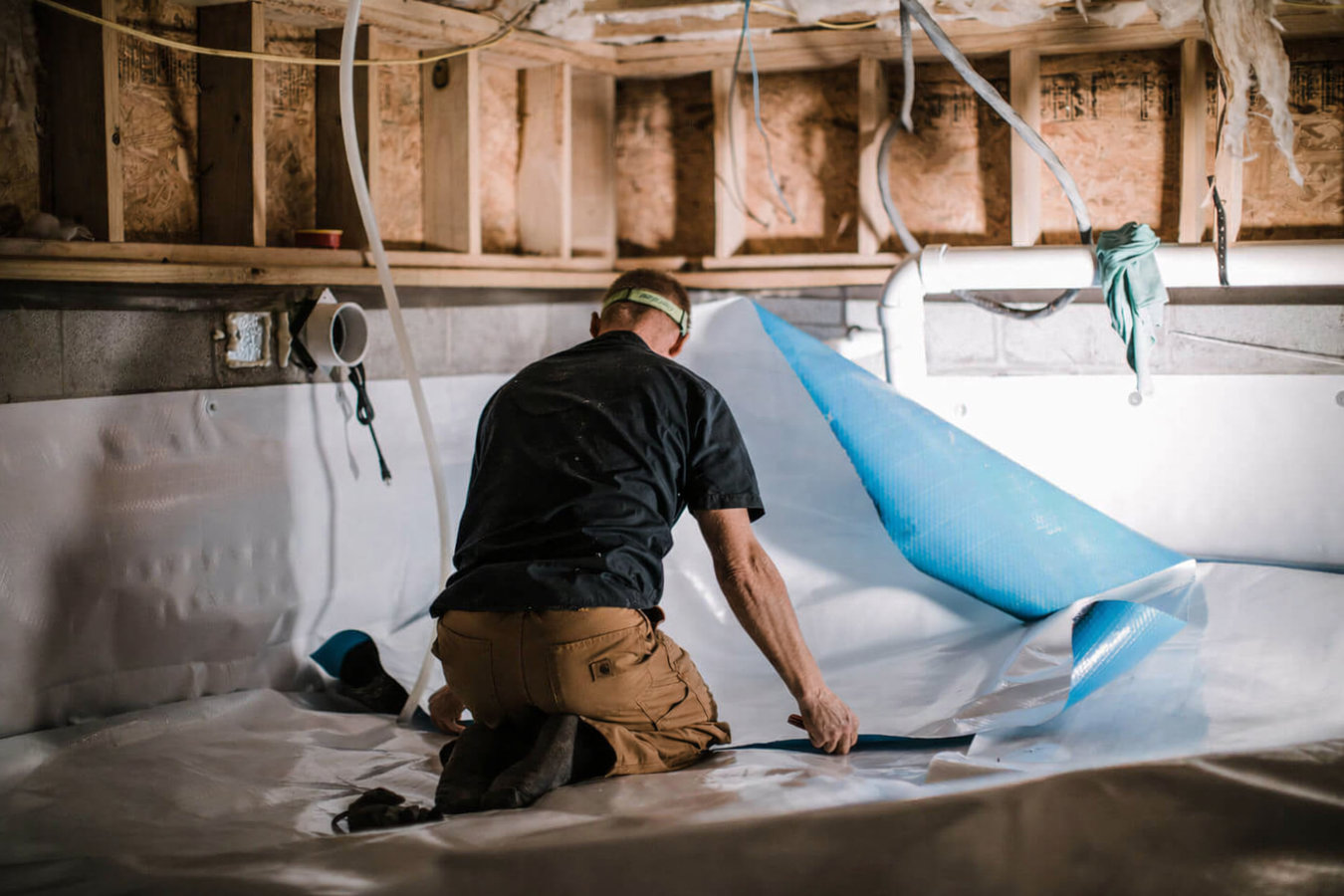
Ground moisture rising into your crawl space quietly rots wood and raises your energy bills. A properly installed vapor barrier cuts it off before it reaches your floors.
Crawl space vapor barrier installation in Mililani, HI covers the ground beneath your home with heavy-duty plastic sheeting to stop soil moisture from rising into your floor structure - most jobs on a standard single-family home are completed in one day. Without that barrier, Mililani's year-round humidity and clay-heavy volcanic soil push moisture upward into your floor joists and insulation, slowly causing rot, mold, and energy loss. A well-installed barrier with taped seams and wall coverage stops that process at the ground before it ever reaches the wood.
If your home was built in the 1970s or 1980s - when most of Mililani was developed - there is a good chance any original ground cover has degraded past the point of doing its job. Pairing a new vapor barrier with crawl space insulation gives you both moisture protection and thermal performance in the space beneath your floors.
A spot on your floor that gives slightly when you walk over it - especially near a bathroom, kitchen, or exterior wall - often means the wood below has absorbed moisture over time. In Mililani's humid climate, this kind of damage builds gradually over years without any visible water event. Waiting until floors visibly sag means the structural framing is already involved, and the repair bill is much larger.
A persistent earthy or musty smell that is strongest after rain or in the morning hours is a common sign of moisture activity in the crawl space. Mililani's frequent rainfall and high humidity create ideal conditions for this kind of growth below your floors. The smell itself is a warning even if you cannot see any visible mold from inside the house.
A large portion of Mililani's homes were built during those decades, and many have original ground covers that are now 40 to 50 years old. Plastic sheeting from that era becomes brittle and develops holes, offering little real protection while still looking like something is in place. If you have owned the home for years and cannot recall any crawl space work, the original material likely needs to come out.
When moisture seeps up from the soil into your crawl space, it makes your home harder to keep comfortable and forces your air conditioning to work harder. In Mililani, where AC runs most of the year, this shows up as a gradual increase in monthly energy costs. A vapor barrier that cuts off that moisture source takes some of that hidden load off your cooling system.
We install both basic vapor barriers and full crawl space encapsulation depending on what your home actually needs. A basic barrier covers the ground surface with heavy-duty sheeting, with seams taped and the material run up the foundation walls and secured in place. Full vapor barrier installation that includes encapsulation goes further - sealing the walls, closing off vents, and sometimes adding a dehumidifier to actively manage the air inside the crawl space. Every job starts with an honest crawl space inspection so we can tell you what is actually down there before recommending a scope.
If there is existing debris, old deteriorated liner material, or standing moisture, we handle that prep work first before any new material goes in. We use thick, reinforced sheeting that holds up to Mililani's humidity and the occasional maintenance visit from a plumber or pest control crew. Before we leave, we walk you through the finished work and provide before-and-after photos so you can see what was done without having to go into the crawl space yourself.
Ground-cover-only installation for homes that need moisture protection without the full encapsulation cost.
Seals the ground, walls, and vents for complete moisture management - best for homes with persistent humidity issues.
Removes old, degraded liner material from 1970s and 1980s-era homes and installs new heavy-duty sheeting in its place.
Clears out leaves, old insulation, and accumulated debris before the new barrier goes in for full coverage.
Mililani sits in the central Oahu uplands at roughly 1,000 feet elevation, which means it catches more rainfall than coastal areas and stays consistently humid year-round. Average annual rainfall in the area runs around 30 to 40 inches, and relative humidity rarely drops low enough for a crawl space to dry out on its own. Oahu's volcanic soils also hold water rather than draining quickly, which means the ground beneath raised homes in Mililani stays damp for extended periods after rain. For homeowners in Mililani Mauka - which sits even higher on the hillside and gets more rainfall - the moisture pressure on crawl spaces is even more persistent.
Most of Mililani was developed by Castle and Cooke starting in the 1970s, and a large share of homes were built to similar specifications with shallow crawl spaces. Many of those original ground covers - if they were ever installed - are now past their useful life. Homeowners throughout Wahiawa and the surrounding central Oahu communities share the same combination of older construction and persistent humidity, making vapor barrier work one of the most consistently needed services in the area. For guidance on moisture control standards, the U.S. Department of Energy moisture control resource is a useful reference, and the EPA mold guidance page explains the health risks of unchecked crawl space moisture.
We respond within 1 business day. You share your home's age, whether you have noticed any smells or soft spots, and whether anyone has been in the crawl space recently. No commitment at this stage.
A technician accesses your crawl space and assesses the ground condition, any existing liner, wood framing health, and how much space the crew has to work in. We report back in plain language - no trade jargon.
You receive a written estimate before any work starts. If the scope involves encapsulation or vent sealing that requires a City and County of Honolulu permit, we handle that application for you and explain the timeline impact.
The crew lays and tapes the sheeting, runs it up the foundation walls, and clears all debris. Most Mililani-sized crawl spaces are done in one day. Before leaving, we provide photos of the finished work so you can see what was done.
We inspect the crawl space, explain what we find, and give you a written estimate before any work starts. No pressure, no surprises.
(808) 556-0445Mainland vapor barrier specs are written for drier climates. We install with Mililani's year-round humidity and volcanic soil drainage patterns in mind - including thicker material, fully taped seams, and wall coverage that a basic installation sometimes skips.
Full crawl space encapsulation projects sometimes require a City and County of Honolulu permit. We handle that process for you, which keeps you above board and puts the work on record if you ever sell the home or need to reference the documentation later.
Most homeowners understandably do not want to go into their own crawl space. We take before-and-after photos during every job so you can see exactly what was installed, where the seams are taped, and how the material is secured at the walls.
We work throughout the entire Mililani community - both the original Town sections built in the 1970s and 1980s and the newer Mauka neighborhoods. Knowing the difference between the two areas means we come prepared for the conditions specific to where you live.
Every one of these factors matters in Mililani, where the housing stock is older, the humidity is persistent, and the contractor pool is smaller than on the mainland. Getting the installation right the first time is more important here than in markets where you can easily find a replacement crew.
Full-scope vapor barrier installation covering crawl spaces, walls, and under-slab areas for complete moisture control throughout your home.
Learn MoreInsulation applied to crawl space walls or floor joists to improve thermal performance alongside your moisture barrier.
Learn MoreMililani's year-round humidity does not take a break - and neither does the moisture working against your home's foundation. Call or request an estimate now.