
Loading...
Serving Mililani, HI and surrounding areas. (808) 556-0445
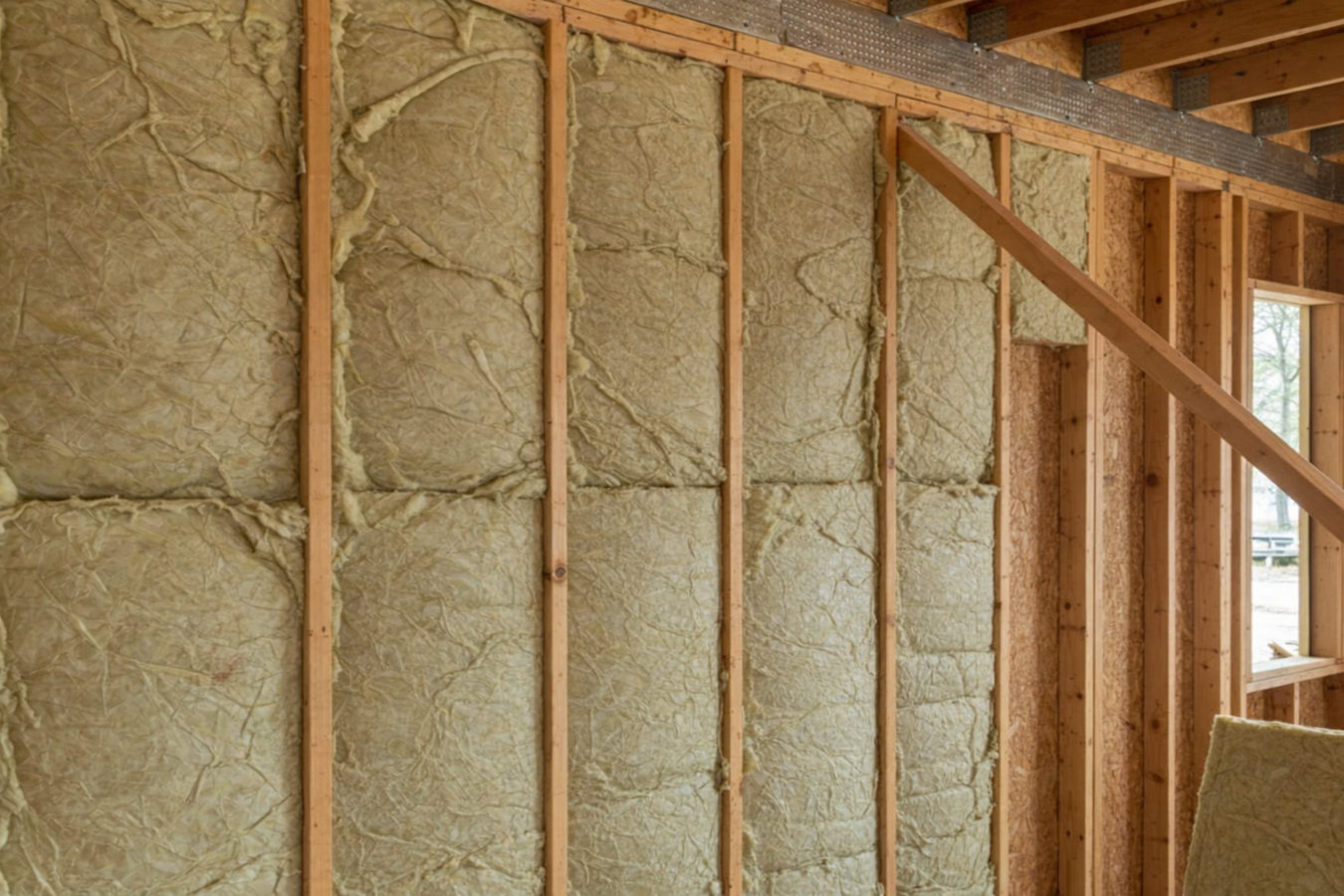
Mililani homes built in the 1970s and 1980s often have little or no wall insulation. Filling those cavities stops heat from pushing through your walls and forces your AC to work less.
Wall insulation in Mililani, HI slows heat from pushing through your exterior walls into your living space - most jobs on a typical single-family home are completed in one to two days. A contractor drills small access holes, blows insulation into each wall cavity until it is full, then patches and paints the holes. When your walls are properly insulated, your air conditioner is fighting less incoming heat every hour, which shows up on your electric bill month after month.
A large share of homes in Mililani were built during the community's main development in the 1970s through the 1990s, and many were constructed with minimal wall insulation by the standards in use today. If your home has never been assessed, there is a real chance some walls have no insulation at all. Wall insulation pairs naturally with air sealing services - together they address both heat transfer and air infiltration through your exterior shell.
If your Hawaiian Electric bill keeps rising and you have not changed your habits or added new appliances, your walls may be letting heat in faster than your system can handle. In Mililani, where electricity costs are already among the highest in the country, this is one of the clearest early signals that your home's envelope is underperforming.
If one side of your home - especially west or south-facing rooms - consistently feels hotter than the rest of the house, the walls in that area may have little or no insulation. This is a common pattern in Mililani homes built in the 1970s and 1980s, where insulation was often installed inconsistently or skipped in certain wall sections.
Mililani sits in central Oahu and catches trade winds regularly. If you hold your hand near an electrical outlet on an exterior wall on a breezy day and feel air movement, your walls have gaps that insulation - combined with air sealing - could address. This kind of wind-driven infiltration makes your cooling system work harder than it should.
Most homes in Mililani were built between the 1970s and 1990s. If yours has never had wall insulation inspected or upgraded, there is a reasonable chance it has less insulation than current recommendations - or none at all in some walls. This is worth checking before you invest in a new air conditioning system, since better insulation often reduces the size of unit you actually need.
We install blown-in insulation into existing finished walls - the most practical approach for occupied homes because it does not require tearing out drywall. The process involves drilling small access holes, filling each cavity completely, then patching and smoothing the holes so they are ready to paint. We also install batt insulation in open walls during renovations or additions. Before recommending a material or method, we assess your home's specific wall construction, since Mililani homes vary in how they were built and what will work best inside their walls.
For homes where walls may also be letting in air alongside heat, we pair wall insulation work with blown-in insulation techniques that allow complete cavity fill around pipes and wiring without gaps. We also offer thermal imaging checks after installation to confirm coverage - this gives you a visual record that the job was done right before the access holes are patched. Every project includes a walkthrough so you see the finished work and can ask questions before we leave.
Best for finished homes where opening walls is not practical - installed through small drilled holes with minimal disruption.
Ideal for open walls during a renovation or new addition, where pre-cut panels can be fitted directly into wall cavities.
For older Mililani homes where insulation status is unknown - includes thermal imaging to identify gaps before any work begins.
Suits homeowners dealing with both heat transfer and drafts - addresses the two main ways your walls lose conditioned air.
Hawaii consistently has some of the highest residential electricity rates in the country, which means the financial case for wall insulation here is stronger than almost anywhere else. Mililani sits at roughly 1,000 feet elevation in central Oahu, which makes it windier than coastal Honolulu - that wind-driven air infiltration through wall gaps is a real factor that proper insulation addresses directly. Most homes in the community were built during the 1970s through the 1990s, when wall insulation requirements in Hawaii were minimal compared to today. Homeowners in Waimalu and other nearby central Oahu communities face the same construction-era gap and benefit from the same solutions.
Moisture management is another reason wall insulation matters more here than in drier states. Oahu's trade winds carry persistent humidity, and insulation that is not suited to a humid climate - or that is installed without attention to how moisture moves through walls - can trap dampness inside your walls and create conditions for mold without any visible warning signs. Homeowners throughout Pearl City and surrounding areas share these same climate conditions, making material selection and proper installation technique especially important. The U.S. Department of Energy guidance on insulation covers R-value recommendations for Hawaii's climate zone.
We reply within 1 business day. You share the age of your home, any rooms that feel hotter than others, and what has been prompting your concern. No commitment required at this stage.
A technician walks through your home, reviews your exterior walls, and checks for any areas you have flagged. Some assessments include a thermal imaging scan to show exactly where heat is moving through your walls.
You receive a written estimate that spells out which walls are included, what type of insulation will be used, and the total cost. Take time to review it - a trustworthy contractor will not rush you or pressure you to decide.
The crew drills small access holes, fills each wall cavity completely, patches and smooths the holes, and clears the work area. Before leaving, they walk through the finished job with you and answer any questions.
Free estimate. Written quote before any work starts. No pressure.
(808) 556-0445Most homes in this community were built by a handful of developers during a narrow window in the 1970s through 1990s. We have worked in these homes and know the typical wall construction, which means fewer surprises on job day and faster, more accurate estimates for you.
Before access holes are closed, we verify fill coverage with photos and, where needed, a thermal imaging scan. You see the evidence the job was done right - not just our word for it. That record also protects you if you ever sell the home.
We choose materials and installation methods that work with Oahu's persistent humidity rather than against it. A job that traps moisture inside your walls creates a much bigger problem than the one it was meant to solve - we make sure that does not happen. Our approach follows Building Performance Institute standards for humidity and moisture management.
Mililani falls under the City and County of Honolulu for building permits. We know which projects require a permit and handle the application on your behalf when one is needed - so you are never left with unpermitted work that could complicate a future home sale.
When your walls hold temperature the way they should, your air conditioner runs less often and your home feels more even from room to room. That combination - lower bills and genuine comfort - is what drives most homeowners in Mililani to make the call.
Close the gaps where outdoor air enters your home, so your walls and insulation are not fighting a losing battle.
Learn MoreLoose-fill insulation blown into cavities - the same technique used for wall retrofits, also applied in attics and floors.
Learn MoreHawaii's electricity rates make every month you wait more expensive - call now and we will respond within 1 business day.